

The training, organised under the coordination of the Directorate for EU Affairs, the National Authority of the Programme, provided project beneficiaries with information on implementation procedures and their respective obligations.
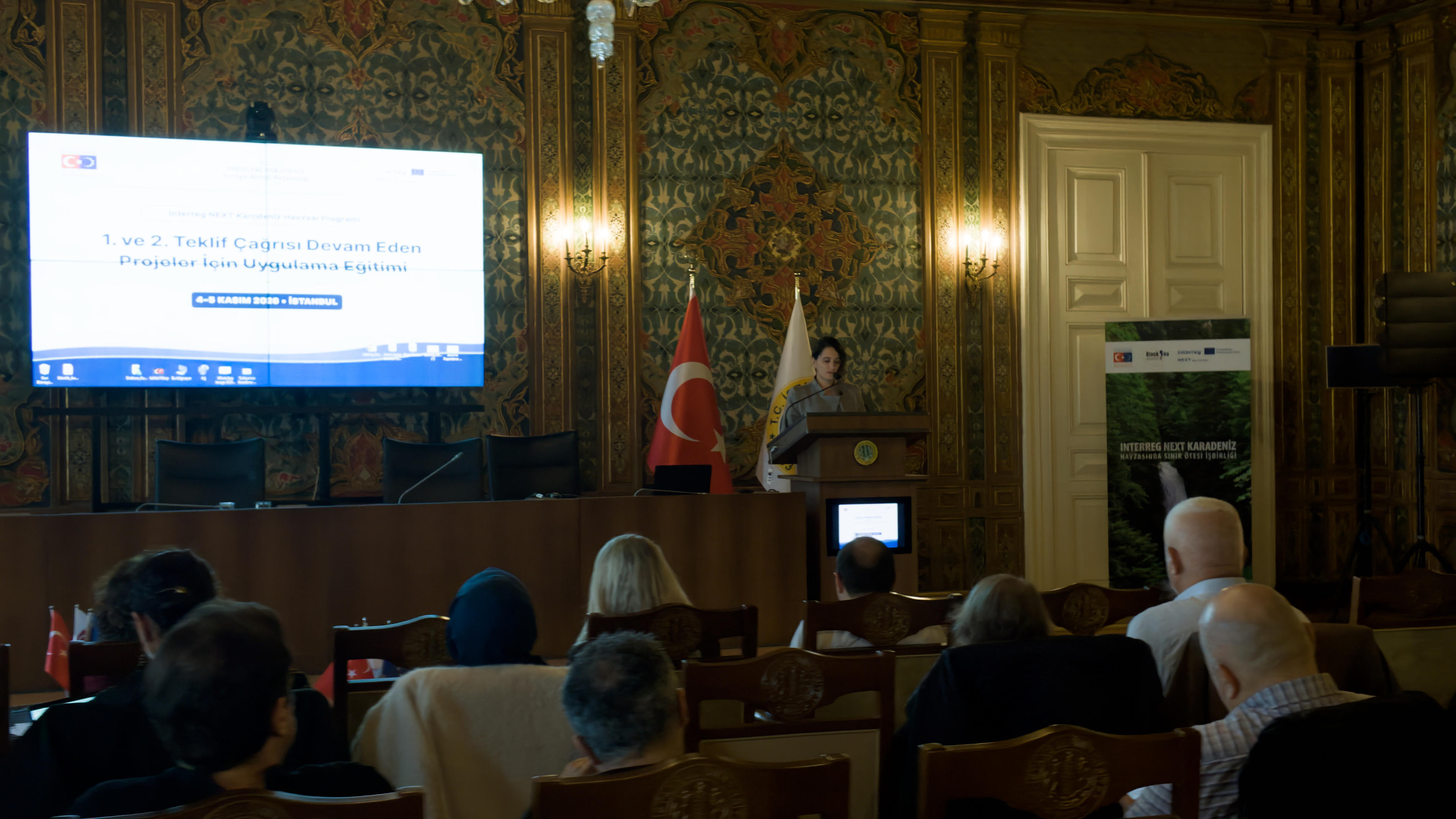
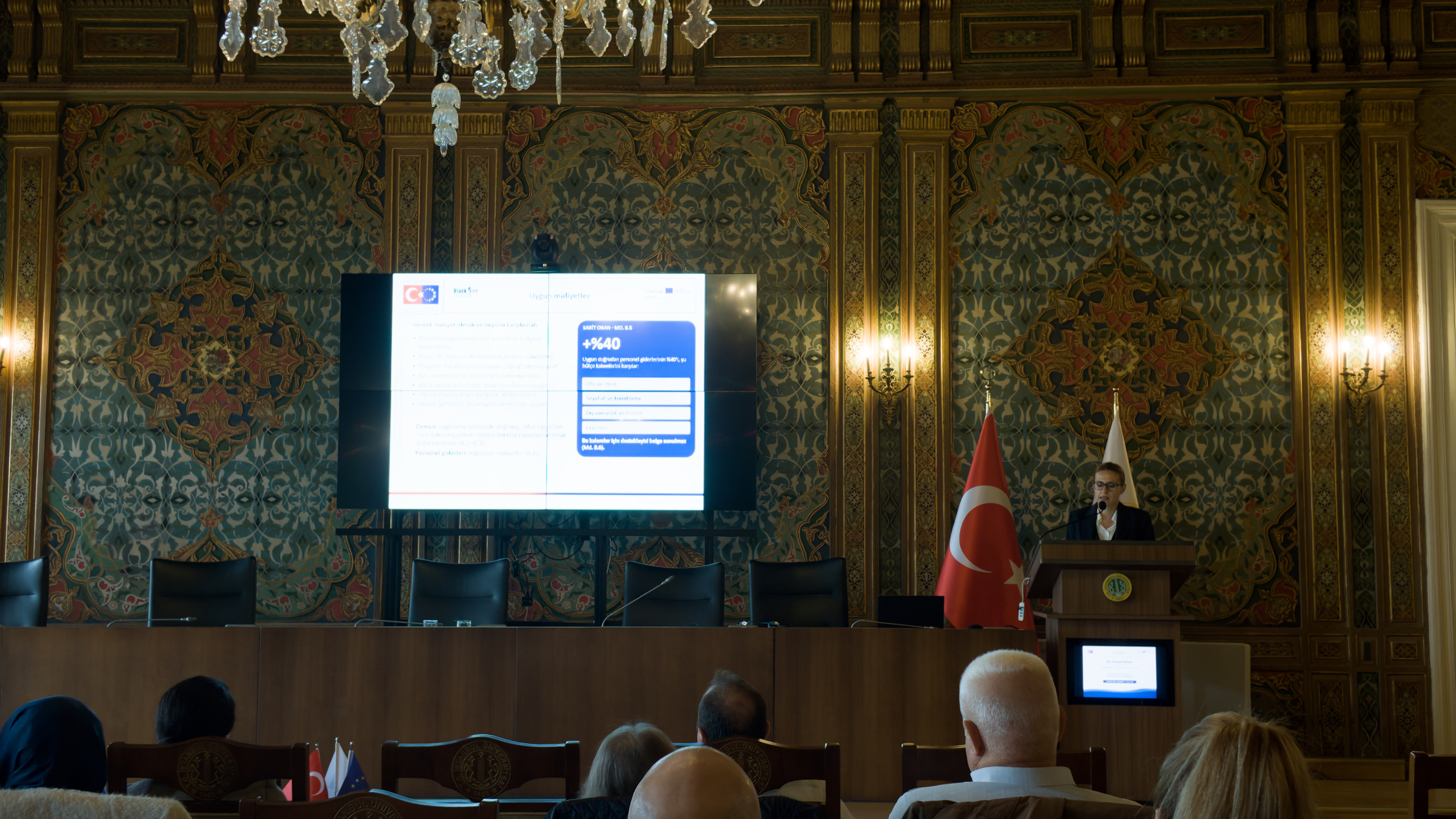
The training programme began with an overview of the key provisions of grant and partnership agreements and the obligations of project beneficiaries. This was followed by sessions on notification, approval and contract amendment procedures concerning project modifications.The subsequent sessions focused on the financial management of projects, financial implementation rules, and the verification and control of project expenditure. In addition, project reporting through the Joint Electronic Monitoring System (JeMS), used for monitoring, implementing and reporting on projects under Interreg programmes, as well as reporting procedures related to programme indicators, were addressed.
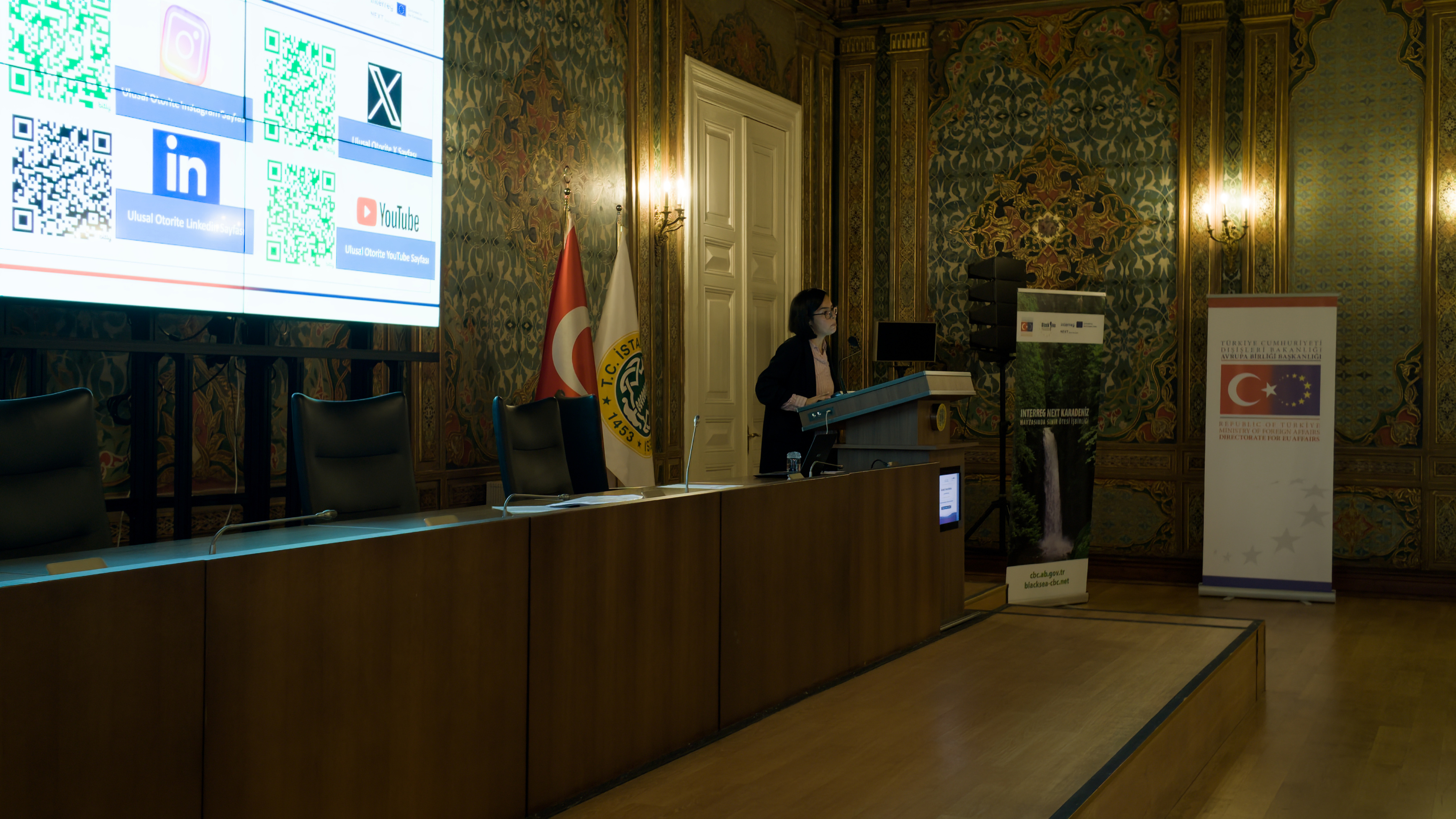
Following a session on communication and visibility requirements in project implementation, examples of good practices and project experiences were shared. In this context, successful projects in the fields of environmental protection in the Black Sea Basin, marine ecosystem sustainability and the use of innovative technologies were presented to participants.
DINO-PATH is a successful project that aims to protect critically endangered sturgeon species in the Black Sea, monitor their migratory movements through innovative technologies, and support a sustainable marine ecosystem through cross-border scientific cooperation.EfxINNOs aims to establish technologically advanced marine monitoring networks between the Black Sea Basin and the North Aegean Sea to monitor marine biodiversity, assess the impacts of human activities on seabed ecosystems, and protect the health of seagrass meadows through artificial intelligence-supported analyses.BS-SEOS aims to collect and share environmental data in the Black Sea through a standardised communication system, predict the impacts of multiple pressures on the ecosystem using artificial intelligence-supported forecasting methods, and support a sustainable blue economy by enhancing the resilience of the marine ecosystem.
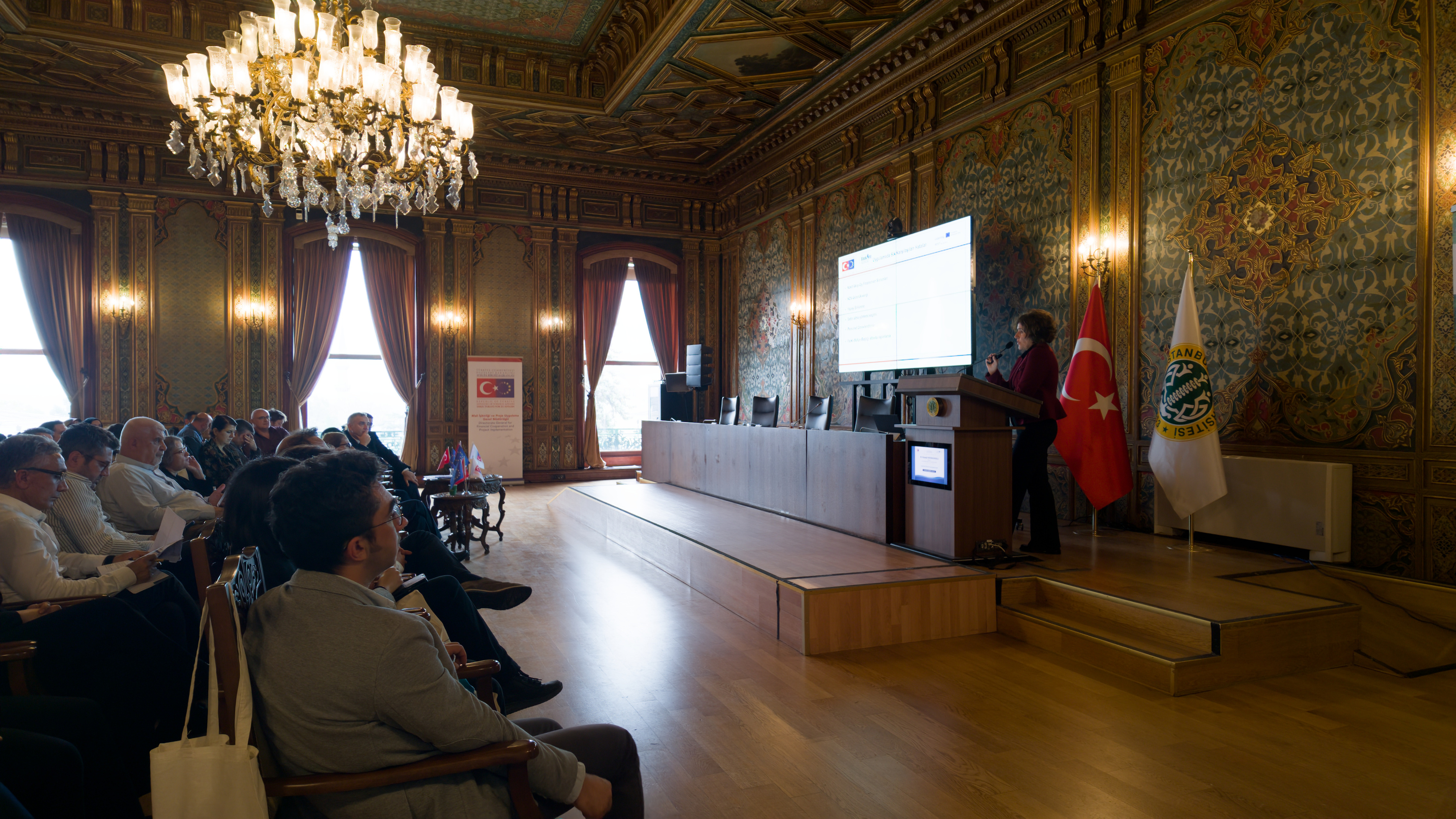
On the second day of the training, the rules and procedures applicable to procurement and tendering processes were discussed. Participants also addressed issues related to the prevention, detection, notification and reporting of irregularities in projects.
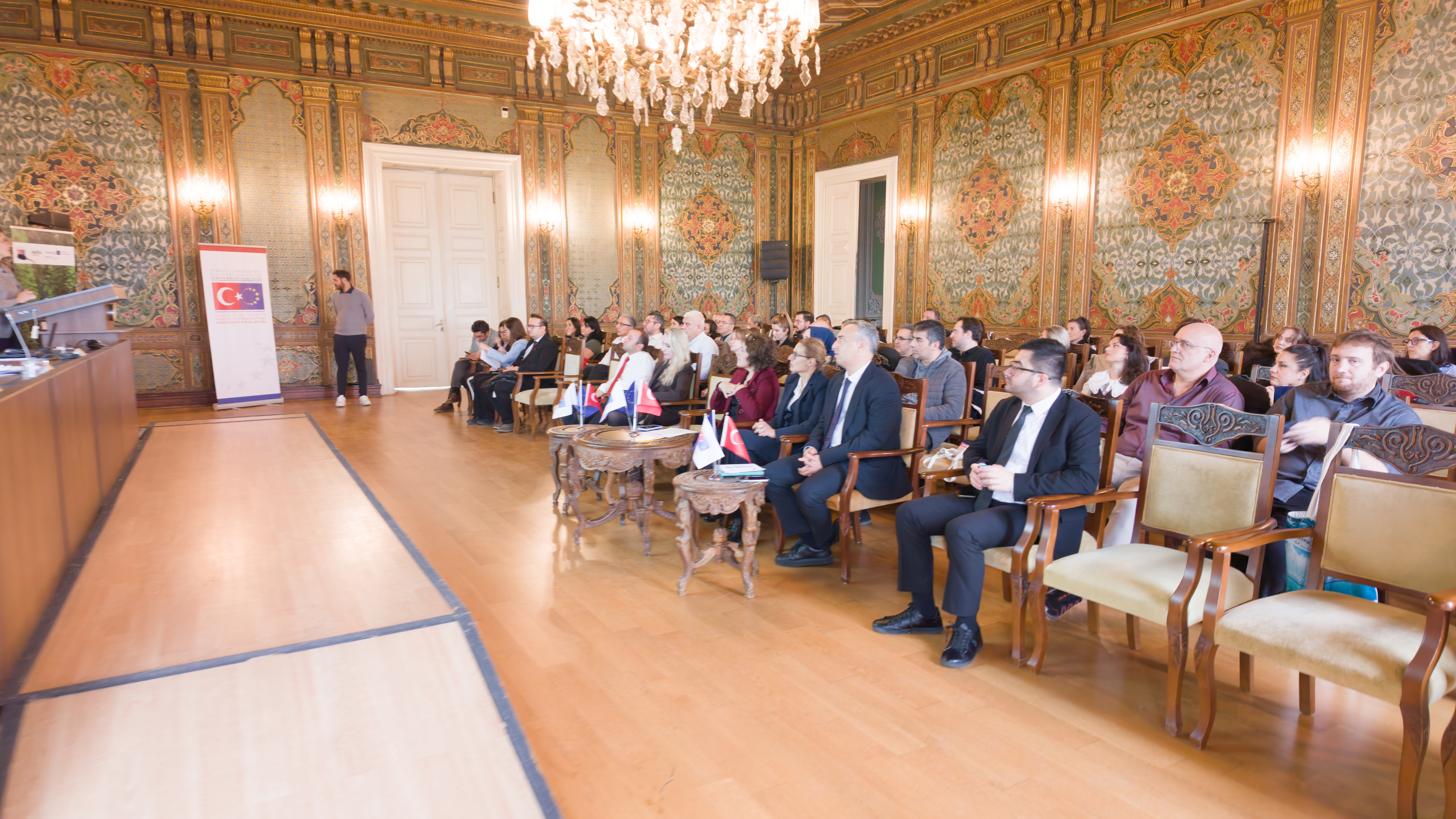
The two-day training aimed to enhance participants’ knowledge and experience of project implementation processes, raise awareness of potential challenges, and contribute to the implementation of projects in accordance with the relevant rules and obligations.